Choosing the right foundation for your mattress is as crucial as selecting the mattress itself. It’s the silent partner in achieving restorative sleep, influencing everything from mattress longevity to bedroom aesthetics. In the ever-evolving world of sleep technology and home decor, two primary contenders stand out: the traditional box spring and the modern platform bed frame. Both promise support and comfort, but they do so in distinct ways that cater to different needs and preferences. This guide will explore the nuances of each, helping you navigate the differences to find the optimal solution for your sleep and lifestyle in 2026.
Understanding Bed Foundations: Box Springs and Platform Beds
To make an informed decision, it’s essential to grasp what each bed foundation entails, its historical context, and how it functions in a contemporary bedroom setup.
What is a Box Spring?
A box spring is a supportive layer typically placed between a mattress and a bed frame to provide additional support, absorb shock, and elevate the bed’s height. Traditionally, box springs contained a wooden frame filled with coiled springs, all encased in fabric. However, the term “box spring” has evolved. In modern applications, many foundations marketed as box springs now feature solid slats or a grid system instead of actual springs, particularly as mattress technology has advanced beyond traditional innersprings. Despite the change in internal construction, their primary role remains to provide a stable, even surface, distribute weight, and add height to the bed.
What is a Platform Bed Frame?
A platform bed frame is a contemporary bed base designed to support a mattress directly, without the need for an additional box spring or foundation. These frames typically feature a built-in foundation, often consisting of closely spaced wooden or metal slats, or a solid surface. Platform beds are celebrated for their sleek lines, minimalist aesthetic, and ability to streamline a bedroom’s design. Their low-profile appearance creates a sense of openness, making them a popular choice for modern, urban, or minimalist homes where space efficiency and aesthetics are paramount.
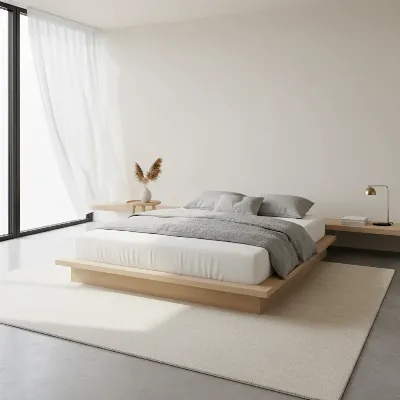 A minimalist modern bedroom featuring a sleek platform bed frame with a memory foam mattress, natural light, and simple decor.
Box Spring vs. Platform Bed: A Detailed Comparison
The choice between a box spring and a platform bed significantly impacts comfort, aesthetics, and long-term costs. Understanding their comparative advantages and disadvantages is key.
Support and Mattress Compatibility
The type of mattress you own, or plan to purchase, is a primary factor in this debate.
- Box Springs: Traditionally, box springs were indispensable for innerspring mattresses, providing the necessary shock absorption and a level surface to prevent sagging. The coils within the box spring (or the sturdy internal structure of modern foundations) work in tandem with the innerspring mattress to offer a bouncier, more forgiving feel. However, box springs are generally not recommended for memory foam, latex, or hybrid mattresses, as these modern mattress types require a firm, flat, and consistent base to maintain their integrity and prevent uneven wear or sagging. Using a box spring with these mattresses can sometimes void their warranty.
- Platform Beds: Platform beds, with their solid or closely spaced slatted foundations, are highly versatile and compatible with virtually all mattress types. They provide the firm, even support that memory foam, latex, and hybrid mattresses require, helping to maintain their shape and extend their lifespan. The consistent base prevents sagging and ensures the mattress performs as intended. For traditional innerspring mattresses, a platform bed offers a firmer feel, which some sleepers prefer over the added bounce of a box spring.
Height and Aesthetics
|
Our Picks for the Best Bed Frame in 2026
As an Amazon Associate I earn from qualifying purchases.
|
||
| Num | Product | Action |
|---|---|---|
| 1 | 12 inches Full Size Bed Frame with Minimalist headboard,Metal Platform Base with Strong Metal Slats,Mattress Foundation for Under Bed Storage,Easy Assembly,Black |

|
| 2 | Full Bed Frame with Classic Headboard,Strong Metal Slats Support,Under Bed Storage Space,No Box Spring Needed,Easy to Assemble,Black |
|
| 3 | Zinus Rumi 14in Full Metal Bed Frame, Quick Assembly SmartBase® Mattress Foundation, Heavy Duty Sturdy Steel with No Box Spring Needed, Eco-Friendly Packaging, Black |
|
| 4 | Vengarus Metal Bed Frame,Full Size Bed Frame with Headboard,Structurally Stable, Heavy Duty Steel Slat Supported,Under Bed Storage,No Box Spring Needed,14 Inch,Black |
|
| 5 | Metal Platform Bed Frame 14 Inch Tall,No Box Spring Needed,Twin Size Bed with Heavy Duty Strong Support Slats,Easy to Assemble,Black |
|
| 6 | Full Size Bed Frame with Modern Headboard, Metal Platform Bed Base with Strong Support, No Box Spring Needed, Easy Assembly, Noise Free,Black |
|
| 7 | Metal Bed Frame,Twin Size Bed Frame with Storage Space,Heavy Duty Sturdy Mattress Foundation,Easy Assembly,No Box Spring Needed, Black,14 Inch,Twin |
|
| 8 | Queen Bed Frame-Classic Metal Platform Bed Frame,Mattress Foundation with Steel Slat Support,Under Foundation Storage,No Box Spring Needed, Easy Assembly, Queen Size |
|
| 9 | Hafenpo 18 Inch Full Bed Frame - Sturdy Metal Platform Full Size, No Box Spring Needed, Heavy Duty, Easy Assembly, Strong Bearing Capacity, Under Bed Storage, Black |
|
| 10 | Zinus Rumi 14in Queen Metal Bed Frame, Quick Assembly SmartBase® Mattress Foundation, Heavy Duty Sturdy Steel with No Box Spring Needed, Eco-Friendly Packaging, Black |
|
The visual impact of your bed foundation on your bedroom’s overall design cannot be overstated.
- Box Springs: Box springs elevate the mattress significantly, creating a taller, more traditional bed profile. This added height can evoke a sense of grandeur and luxury, fitting well with classic or ornate bedroom interiors. It also makes getting in and out of bed easier for individuals with mobility challenges. However, the requirement for both a box spring and a separate bed frame can sometimes lead to a bulkier appearance.
- Platform Beds: Known for their sleek lines and lower profile, platform beds contribute to a modern, minimalist aesthetic. Their reduced height can make smaller rooms appear more spacious and uncluttered. Platform beds come in an extensive array of designs, from rustic wood to industrial metal and luxurious upholstery, offering significant design flexibility to match diverse decor styles. “Platform beds, with their minimalist designs, have truly redefined modern bedroom aesthetics by offering a clean, uncluttered look that traditional box springs often can’t achieve,” states Anya Sharma, a renowned interior design consultant.
Cost-Effectiveness
The initial investment and long-term expenses differ between these two options.
- Box Springs: A box spring typically requires an additional bed frame for support, meaning you’re purchasing two components for your bed setup. This can result in a higher overall cost compared to a platform bed, especially if both are bought new. Furthermore, box springs may need replacement every 5-10 years, aligning with mattress replacement cycles.
- Platform Beds: One of the main advantages of platform beds is their cost-effectiveness. Since they incorporate the mattress support directly into the frame, there’s no need to buy a separate box spring. This means a single purchase provides a complete foundation, often making them a more affordable initial investment. Their durability also suggests a longer lifespan, potentially saving money on replacements.
Durability and Longevity
The lifespan of your bed foundation plays a role in both cost and consistent support.
- Box Springs: Older box springs with actual coils could sag or become noisy over time as the springs deteriorated, leading to uneven support for the mattress. While modern box spring foundations are often sturdier with solid wood or metal grids, they still generally have a lifespan of 5-10 years.
- Platform Beds: Constructed from sturdy materials like solid wood or metal, platform beds are built for durability. Their robust, integrated support system, whether slats or a solid base, is designed to withstand heavy mattresses (like memory foam) without sagging or warping, contributing to the longevity of both the frame and the mattress itself. With proper care, a high-quality platform bed can last for decades.
Storage and Space Efficiency
For those living in smaller spaces, under-bed storage is a significant consideration.
- Box Springs: Traditional box spring setups typically offer limited or no built-in storage. Any under-bed storage capacity depends entirely on the design of the separate bed frame chosen to house the box spring and mattress.
- Platform Beds: Many platform bed models are designed with integrated storage solutions, such as drawers or compartments built directly into the base. This feature is incredibly valuable for maximizing space in compact bedrooms, providing a seamless way to store bedding, seasonal clothing, or other personal belongings without cluttering the room. Even models without built-in drawers often provide ample space underneath for storage bins due to their inherent design.
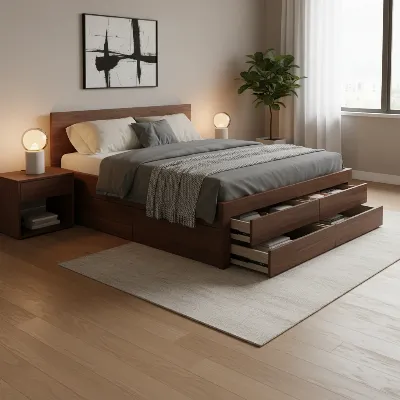 A stylish modern bedroom featuring a platform bed frame with integrated storage drawers visible, demonstrating practical space-saving.
Airflow and Maintenance
Consider how each foundation impacts mattress ventilation and ease of cleaning.
- Box Springs: The open structure of traditional box springs can promote airflow beneath the mattress, which helps regulate temperature and prevent moisture buildup. This can be beneficial for those who tend to sleep hot.
- Platform Beds: Platform beds with slatted bases also promote good air circulation, which can help keep the mattress fresh and prevent mold or mildew accumulation. Solid platform bases, however, may offer less ventilation. Generally, the simpler, cleaner design of platform beds makes them easier to clean and maintain, reducing dust traps compared to more complex traditional bed frames.
Factors to Consider When Choosing Your Bed Frame
Making the right decision involves evaluating several personal and practical aspects.
- Mattress Type: This is arguably the most critical factor. Memory foam, latex, and hybrid mattresses almost universally require the firm, even support of a platform bed. Traditional innerspring mattresses can work with either, but a box spring will provide a bouncier feel while a platform offers firmer support. Always check your mattress warranty for foundation requirements.
- Bedroom Size and Style: For modern, minimalist, or smaller rooms, the low profile and sleek design of a platform bed often work best, creating a sense of openness and offering built-in storage. For traditional or larger bedrooms, a box spring with a decorative frame can provide the desired elevated look and classic aesthetic.
- Budget: Platform beds typically represent a more cost-effective solution as they eliminate the need for a separate box spring. If budget is a primary concern, a platform bed is often the more economical choice.
- Personal Comfort Preference: Do you prefer a firm, stable sleep surface or a softer, bouncier feel? Platform beds generally provide a firmer foundation, while a box spring adds a layer of give beneath an innerspring mattress.
- Mobility Needs: The added height provided by a box spring can make it easier for some individuals, particularly those with joint issues or mobility challenges, to get in and out of bed. Platform beds tend to be lower, which might be a consideration.
Making Your Decision: Which Bed Frame is Right for You?
The ultimate choice between a box spring and a platform bed frame depends on a blend of practical needs and personal preferences. If you prioritize a modern aesthetic, require built-in storage, and own a memory foam, latex, or hybrid mattress, a platform bed is likely your ideal match. Its clean lines, versatility, and direct mattress support offer a streamlined and efficient sleep solution. On the other hand, if you appreciate a traditional bed height, desire a springier feel for your innerspring mattress, and value classic bedroom aesthetics, a box spring combined with a suitable bed frame might be more appealing. Both options are designed to provide a comfortable night’s sleep, but they achieve it through different pathways.
Conclusion
The evolution of bed foundations has given consumers more choices than ever before, with the box spring and platform bed frame leading the way in 2026. While box springs continue to offer a traditional height and a familiar, slightly bouncier feel for innerspring mattresses, platform beds have surged in popularity due to their modern aesthetic, built-in support for all mattress types, and often greater cost-efficiency. Your perfect bed setup is a personal journey, balancing your mattress’s requirements with your lifestyle, budget, and design aspirations. By carefully considering the distinct advantages and disadvantages of each, you can select the foundation that truly optimizes your sleep environment. Which foundation will you choose to build your dream sleep sanctuary?
Frequently Asked Questions
Do memory foam mattresses need a box spring?
No, memory foam mattresses generally do not need a box spring. They require a firm, flat, and even surface to prevent sagging and ensure proper support, which a platform bed frame with slats or a solid base provides. Using a box spring with memory foam can sometimes void the mattress warranty.
Can I put a box spring on a platform bed?
While physically possible, it is generally unnecessary and often not recommended to put a box spring on a platform bed. A platform bed is designed to provide direct mattress support, so adding a box spring would simply add extra height without offering significant functional benefits, and could potentially create an unstable sleeping surface.
What is the ideal slat spacing for a platform bed?
For optimal support and to maintain mattress warranty, especially for memory foam and hybrid mattresses, the ideal slat spacing for a platform bed is typically no more than 2-3 inches apart. This ensures adequate airflow while providing a consistent and firm foundation.
Are platform beds more durable than box springs?
Generally, high-quality platform beds tend to be more durable than traditional box springs. Platform beds are often constructed from solid wood or metal and are designed to provide robust, long-lasting support directly to the mattress without the internal components that can wear out in older box springs.
Do platform beds make a room look bigger?
Yes, platform beds often make a room appear larger and more open. Their low-profile design and streamlined aesthetic reduce visual clutter, creating a sense of spaciousness, which is particularly beneficial in smaller bedrooms or for those aiming for a minimalist decor.
Is it cheaper to buy a box spring or a platform bed?
In most cases, a platform bed is cheaper overall because it combines the bed frame and mattress foundation into one unit, eliminating the need to purchase a separate box spring. This consolidates costs and simplifies the bed setup.
