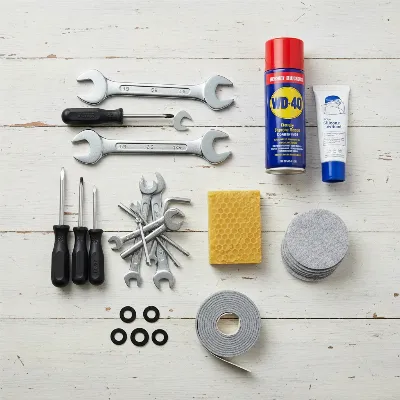
There’s nothing quite as disruptive as a bed frame that constantly shifts and slides across your beautiful wooden floors. Each subtle movement can create annoying squeaks, leave unsightly scratches, and turn your peaceful bedroom into a frustrating space. If you’ve ever woken up to find your bed has mysteriously migrated across the room, you know the struggle is real. But don’t worry—you don’t need to choose between elegant hardwood and a stable night’s sleep. This guide will walk you through a variety of simple yet effective solutions to keep your bed frame firmly in place, ensuring both your comfort and the longevity of your floors.
Why Your Bed Frame Keeps Sliding on Wood Floors
Before we dive into the fixes, understanding the root cause of the problem can help you choose the best solution. Wooden floors, especially those with a polished or high-gloss finish, naturally offer less friction than carpeted surfaces. This sleekness, combined with the weight and movement associated with a bed, creates a perfect environment for sliding. Factors like the material and design of your bed frame’s feet, whether it has wheels (casters), and even slight unevenness in your floor can contribute to the issue. A lighter bed frame or uneven weight distribution can also exacerbate the problem, making it prone to shifting with minimal effort.
Essential Solutions to Keep Your Bed Frame Still
Fortunately, a range of solutions exists, from simple accessories to strategic room adjustments, all designed to add the necessary friction and stability.
1. Non-Slip Pads and Furniture Grippers
One of the most straightforward and effective ways to combat a sliding bed frame is by using specialized non-slip pads or furniture grippers. These small but mighty accessories are placed directly under each bed leg, creating a crucial barrier that increases friction and protects your floors.
- Rubber Pads: These are widely available, affordable, and offer excellent grip. Made from natural or synthetic rubber, they create significant friction, preventing movement. They are particularly effective on hardwood and tile floors.
- Silicone Pads: For those with newer or delicate floor finishes, silicone pads are a gentle yet effective option. They grip well without the risk of leaving marks or reacting chemically with certain floor sealants.
- Felt-Rubber Combination Pads: These pads offer the best of both worlds. The felt layer protects your floor from scratches, while the rubber backing provides superior grip. They are an ideal choice for laminate floors, where some pure rubber products might cause discoloration.
- Furniture Grippers: These are often larger, more substantial pads specifically designed to sit between your bed frame and the floor without needing adhesive. They offer robust friction and are suitable for a variety of furniture types.
|
Our Picks for the Best Bed Frame in 2026
As an Amazon Associate I earn from qualifying purchases.
|
||
| Num | Product | Action |
|---|---|---|
| 1 | Full Size Bed Frame with Modern Headboard, Metal Platform Bed Base with Strong Support, No Box Spring Needed, Easy Assembly, Noise Free,Black |

|
| 2 | Hafenpo 18 Inch Full Bed Frame - Sturdy Metal Platform Full Size, No Box Spring Needed, Heavy Duty, Easy Assembly, Strong Bearing Capacity, Under Bed Storage, Black |
|
| 3 | Metal Platform Bed Frame 14 Inch Tall,No Box Spring Needed,Twin Size Bed with Heavy Duty Strong Support Slats,Easy to Assemble,Black |
|
| 4 | Vengarus Metal Bed Frame,Full Size Bed Frame with Headboard,Structurally Stable, Heavy Duty Steel Slat Supported,Under Bed Storage,No Box Spring Needed,14 Inch,Black |
|
| 5 | 12 inches Full Size Bed Frame with Minimalist headboard,Metal Platform Base with Strong Metal Slats,Mattress Foundation for Under Bed Storage,Easy Assembly,Black |
|
| 6 | Metal Bed Frame,Twin Size Bed Frame with Storage Space,Heavy Duty Sturdy Mattress Foundation,Easy Assembly,No Box Spring Needed, Black,14 Inch,Twin |
|
| 7 | Queen Bed Frame-Classic Metal Platform Bed Frame,Mattress Foundation with Steel Slat Support,Under Foundation Storage,No Box Spring Needed, Easy Assembly, Queen Size |
|
| 8 | Full Bed Frame with Classic Headboard,Strong Metal Slats Support,Under Bed Storage Space,No Box Spring Needed,Easy to Assemble,Black |
|
| 9 | Zinus Rumi 14in Queen Metal Bed Frame, Quick Assembly SmartBase® Mattress Foundation, Heavy Duty Sturdy Steel with No Box Spring Needed, Eco-Friendly Packaging, Black |
|
| 10 | Zinus Rumi 14in Full Metal Bed Frame, Quick Assembly SmartBase® Mattress Foundation, Heavy Duty Sturdy Steel with No Box Spring Needed, Eco-Friendly Packaging, Black |
|
When applying any of these, always clean the underside of your bed legs and the floor surface thoroughly to ensure optimal adhesion and friction. It’s also a good practice to test one pad in an inconspicuous area for a day or two, especially on delicate or light-colored wood floors, to check for any potential discoloration or adverse reactions.
2. Area Rugs and Non-Slip Rug Pads
An area rug can be both a stylish design element and a highly effective anti-slip solution. Placing a large rug beneath your entire bed frame significantly increases the friction between the bed and the floor. The weight of the bed itself can create slight indentations in the rug fibers, further locking the frame into place.
- Area Rugs: For hardwood and tile, natural fiber rugs like jute or sisal work exceptionally well, providing maximum grip. For laminate floors, a lower-pile synthetic rug with a rubber backing is often more effective, as natural fibers might still slide. Beyond functionality, a rug can anchor your bed visually and add warmth and texture to your bedroom.
- Non-Slip Rug Pads: If a full area rug isn’t your style, or if you already have a rug that still allows for sliding, a non-slip rug pad placed underneath can work wonders. These thin, grippy pads can also be cut into smaller pieces and placed directly under each bed leg, offering the same friction and floor protection without the aesthetic commitment of a full rug.
 An inviting bedroom with a queen-sized bed frame resting securely on a large, textured area rug over a polished wood floor
3. Caster Cups and Bed Risers
For bed frames equipped with wheels (casters) or those with traditional legs, specialized cups and risers can provide targeted stability.
- Caster Cups: These are designed specifically for wheeled bed frames. Made from durable rubber or plastic, these shallow cups cradle each wheel, preventing them from rolling or sliding. It’s crucial to choose cups that are appropriately sized for your bed’s wheels to ensure a snug fit and maximum effectiveness.
- Bed Risers: Similar to caster cups but designed for non-wheeled legs, bed risers snugly cradle your bed’s feet. They not only keep your bed stationary but can also provide a few extra inches of clearance, offering valuable under-bed storage space. They come in various sizes and materials to match your bed frame and aesthetic.
4. Non-Slip Tape and Adhesives
For a more direct approach, non-slip tape or other adhesive solutions can be applied to the underside of your bed frame legs.
- Non-Slip Tape: Available in rolls, this tape features a textured, high-friction surface. When applied to the bottom of your bed legs, it creates a strong grip on the wood floor. While generally effective, it’s essential to ensure the tape is compatible with your floor finish to avoid damaging the surface or leaving behind sticky residue, especially for renters.
- Double-Sided Carpet Tape: This offers a similar adhesive solution for increasing friction. Again, test in an inconspicuous spot first to ensure it won’t harm your flooring.
- Hot Glue Bumps: As a DIY alternative, applying small dots or lines of hot glue to the bottom of your bed legs can create textured bumps that increase friction. Once dry, these hard rubberized points can help prevent sliding.
5. Strategic Room Arrangement and Frame Adjustments
Sometimes, simple repositioning or minor modifications to your bed frame can make a significant difference.
- Corner Placement: If your bedroom layout allows, positioning your bed frame in a corner, so both the headboard and one side are flush against walls, can naturally restrict movement. With support from two sides, the bed has fewer directions in which it can slide. While not ideal for shared beds due to access, it’s a simple fix for single occupants.
- Remove Wheels: If your bed frame has wheels but you don’t need the mobility, consider removing them entirely. Many bed frame wheels are designed for easy detachment, allowing the frame to rest directly on non-slip pads or caster cups for greater stability.
- Wall Mounting: For a more permanent solution, particularly with platform beds or heavy headboards, you might consider securing the headboard directly to wall studs using interlocking fasteners. This firmly anchors one end of the bed, drastically reducing any potential sliding.
Choosing the Right Solution for Your Floor Type
The best anti-slip strategy often depends on your specific flooring material:
- Hardwood and Tile Floors: These surfaces benefit most from high-friction materials like natural rubber pads, silicone pads, or natural fiber area rugs (jute, sisal). Caster cups are excellent for wheeled frames on these floors.
- Laminate Floors: Laminate can be sensitive to certain rubber compounds, which may cause yellowing or discoloration over time. Opt for products labeled “vinyl-safe” or “laminate-safe.” Felt-rubber combination pads are often ideal, providing protection without chemical reactions. Avoid strong adhesives that could damage the thin wear layer.
- Carpeted Floors (though the focus is wood): While this article centers on wood, if you have any areas transitioning to carpet, note that plastic furniture grippers with small teeth work better on carpet than smooth rubber, as they can penetrate the pile to grip the backing.
“A stable bed isn’t just about comfort; it’s about protecting your investment in beautiful hardwood floors. Simple solutions like rubber grippers can make a significant difference, preventing both annoying shifts and costly damage.” – Dr. Eleanor Vance, Ergonomics and Home Furnishings Specialist
DIY and Budget-Friendly Options
You don’t always need to spend a lot to stop your bed from sliding. Many common household items can be repurposed:
- Rubber Shelf Liner: This versatile material can be cut into small squares and placed under each bed leg. It’s inexpensive, adds friction, and protects your floors.
- Yoga Mats: An old yoga mat can be cut into pieces and placed under the bed legs or even used as a larger, thin mat under the entire frame. Its non-slip properties are perfect for this purpose.
- Velcro Strips: For a sliding mattress on a platform bed, self-adhesive Velcro strips applied to both the frame and the mattress can create a strong bond. For the bed frame itself, use this with caution, ensuring the adhesive won’t damage your floor.
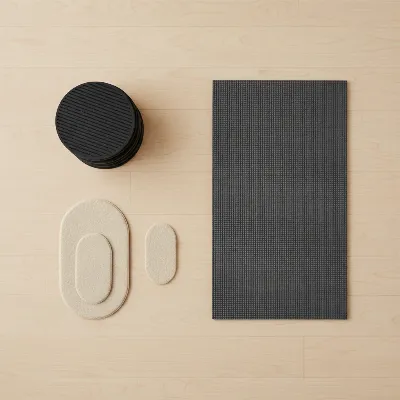 Various DIY materials and products like rubber pads, a cut yoga mat, and felt pads arranged to show how to stop a bed frame from sliding on a wood floor
Maintenance and Considerations
Even the best solutions require a little attention to remain effective:
- Regular Cleaning: Dust and debris can accumulate under pads and rug grippers, reducing their effectiveness. Periodically lift your bed and clean both the pads and the floor to ensure optimal friction.
- Inspect and Replace: Over time, pads can flatten, crack, or wear out. Inspect them every few months and replace them as needed to maintain peak performance.
- Support All Legs: It’s crucial to place non-slip solutions under all bed legs. Using pads on only a few legs can create uneven pressure, leading to wobbling, decreased stability, and potentially worse sliding.
Conclusion
A sliding bed frame on wooden floors is a common frustration, but it’s a problem with numerous easy and effective solutions. From the simple application of rubber furniture pads and the aesthetic appeal of an area rug to specialized caster cups and strategic room arrangements, you have many options to choose from. By understanding the cause of the sliding and selecting the appropriate solution for your specific bed frame and flooring type, you can achieve a stable, serene, and scratch-free bedroom. Don’t let a restless bed disrupt your peace—take action today for a firmer foundation. What small change will you make to keep your bed in place tonight?
Câu Hỏi Thường Gặp
What causes a bed frame to slide on wooden floors?
Bed frames typically slide on wooden floors due to a lack of friction between the frame’s legs and the smooth, often polished, surface of the floor. Factors like the bed’s weight, movement during sleep, the presence of wheels, and even slightly uneven flooring can contribute to this unwanted shifting.
Are rubber pads safe for all wood floor types?
Most natural rubber pads are safe for hardwood floors and provide excellent grip. However, some cheaper or darker rubber products can potentially discolor light-colored or delicate wood finishes, particularly laminate. Always check product compatibility or test a pad in an inconspicuous area for 24-48 hours before full application.
Can I use a regular rug to stop my bed from sliding?
Yes, placing a large area rug under your entire bed frame can significantly help prevent sliding by increasing friction. For optimal results, choose a rug with a non-slip backing or place a separate non-slip rug pad underneath to ensure it stays in place and provides maximum grip for your Bed Frame.
How often should I replace anti-slip pads?
The lifespan of anti-slip pads varies depending on their material, quality, and how frequently the bed moves. It’s a good practice to inspect your pads every few months. Replace them if you notice they are flattened, cracked, covered in dust/debris that can’t be cleaned, or if your bed starts to slide again, indicating reduced effectiveness.
Is double-sided tape a good long-term solution?
Double-sided tape can provide a strong temporary grip, but it may not be the best long-term solution for all wood floors. Adhesive residue can be difficult to remove and may damage certain floor finishes over time. It’s generally recommended for short-term fixes or on floors that are known to be resistant to adhesive damage.