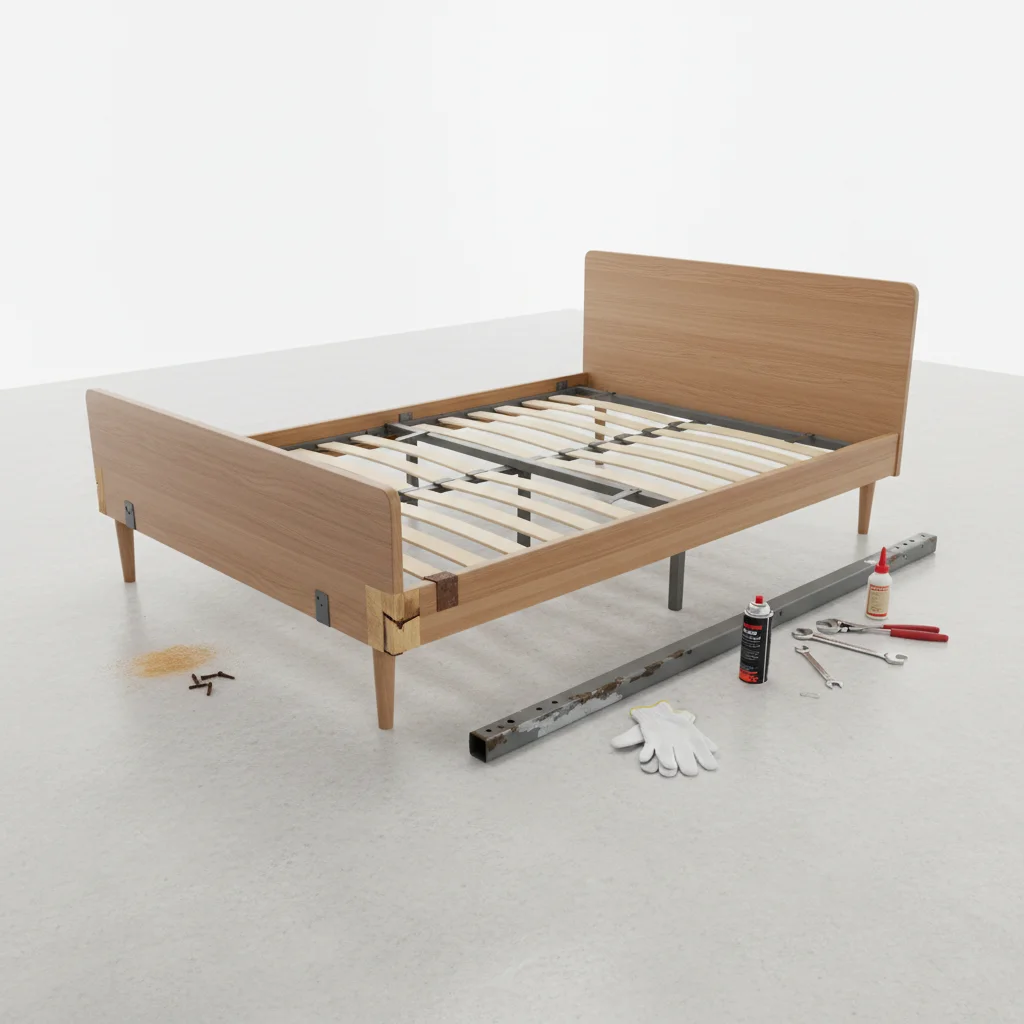
A squeaky bed frame can disrupt sleep and create an irritating environment. There are typically five common causes for a squeaky bed frame, ranging from loose joints to worn-out components. Identifying the specific source of the noise is the first step towards a lasting solution, often involving simple adjustments or minor repairs that can restore peace to your bedroom.
Loose Bolts and Screws
One of the most frequent culprits behind a squeaky bed frame is loose hardware. Over time, the bolts and screws that hold the frame together can loosen due to movement and weight distribution. This creates small gaps where metal or wood can rub against each other, producing an audible squeak. Regularly checking and tightening all visible fasteners can often resolve this issue. For persistent squeaks, consider adding washers to create a tighter fit and prevent future loosening.
Worn or Missing Washers
Washers play a crucial role in preventing direct contact between metal components and distributing pressure evenly. If washers are missing, worn down, or made of an inappropriate material, they can contribute to squeaking. Replacing old plastic washers with felt or rubber alternatives can significantly reduce friction and noise. Ensure that all bolts have a washer on both sides of the joint for optimal performance.
Friction Between Slats and Frame
|
Our Picks for the Best Bed Frame in 2026
As an Amazon Associate I earn from qualifying purchases.
|
||
| Num | Product | Action |
|---|---|---|
| 1 | Full Size Bed Frame with Modern Headboard, Metal Platform Bed Base with Strong Support, No Box Spring Needed, Easy Assembly, Noise Free,Black |

|
| 2 | Full Bed Frame with Classic Headboard,Strong Metal Slats Support,Under Bed Storage Space,No Box Spring Needed,Easy to Assemble,Black |
|
| 3 | Queen Bed Frame-Classic Metal Platform Bed Frame,Mattress Foundation with Steel Slat Support,Under Foundation Storage,No Box Spring Needed, Easy Assembly, Queen Size |
|
| 4 | Zinus Rumi 14in Full Metal Bed Frame, Quick Assembly SmartBase® Mattress Foundation, Heavy Duty Sturdy Steel with No Box Spring Needed, Eco-Friendly Packaging, Black |
|
| 5 | Hafenpo 18 Inch Full Bed Frame - Sturdy Metal Platform Full Size, No Box Spring Needed, Heavy Duty, Easy Assembly, Strong Bearing Capacity, Under Bed Storage, Black |
|
| 6 | Vengarus Metal Bed Frame,Full Size Bed Frame with Headboard,Structurally Stable, Heavy Duty Steel Slat Supported,Under Bed Storage,No Box Spring Needed,14 Inch,Black |
|
| 7 | 12 inches Full Size Bed Frame with Minimalist headboard,Metal Platform Base with Strong Metal Slats,Mattress Foundation for Under Bed Storage,Easy Assembly,Black |
|
| 8 | Metal Platform Bed Frame 14 Inch Tall,No Box Spring Needed,Twin Size Bed with Heavy Duty Strong Support Slats,Easy to Assemble,Black |
|
| 9 | Zinus Rumi 14in Queen Metal Bed Frame, Quick Assembly SmartBase® Mattress Foundation, Heavy Duty Sturdy Steel with No Box Spring Needed, Eco-Friendly Packaging, Black |
|
| 10 | Metal Bed Frame,Twin Size Bed Frame with Storage Space,Heavy Duty Sturdy Mattress Foundation,Easy Assembly,No Box Spring Needed, Black,14 Inch,Twin |
|
For bed frames with wooden or metal slats, friction between the slats and the side rails is a common source of noise. As you move on the bed, the slats can rub against the frame, generating a squeak. This is particularly prevalent in older frames or those with poorly fitted slats. Applying felt pads, cork tape, or even thin strips of fabric to the ends of the slats where they meet the frame can create a buffer and eliminate the noise.
Improper Mattress Placement or Type
Sometimes, the squeak isn’t from the bed frame itself, but from the interaction between the mattress and the frame. An ill-fitting mattress that shifts too much, or a mattress type that isn’t compatible with the frame’s support system (e.g., a heavy memory foam mattress on a flimsy slat system), can cause the frame to flex and squeak. Ensure your mattress is the correct size for your frame and consider adding a non-slip mat between the mattress and the slats to minimize movement.
Weak or Damaged Frame Components
In more severe cases, a squeaky bed frame might indicate a structural issue, such as a cracked wooden beam, a bent metal support, or a broken weld. These issues require more significant attention. Inspect your frame thoroughly for any visible damage. If you find a cracked wooden component, wood glue and clamps can sometimes provide a temporary fix, but a replacement part might be necessary for long-term stability. For metal frames, a professional weld repair might be needed. Addressing these underlying structural weaknesses is essential not only for noise reduction but also for the longevity and safety of your bed frame.
- Tighten all bolts and screws regularly.
- Apply felt pads or cork tape to noisy slat-to-frame contact points.
- Lubricate metal-on-metal joints with silicone spray or paraffin wax.
- Ensure your mattress is the correct size and not causing excessive movement.
- Inspect for and repair any structural damage to the frame components.
