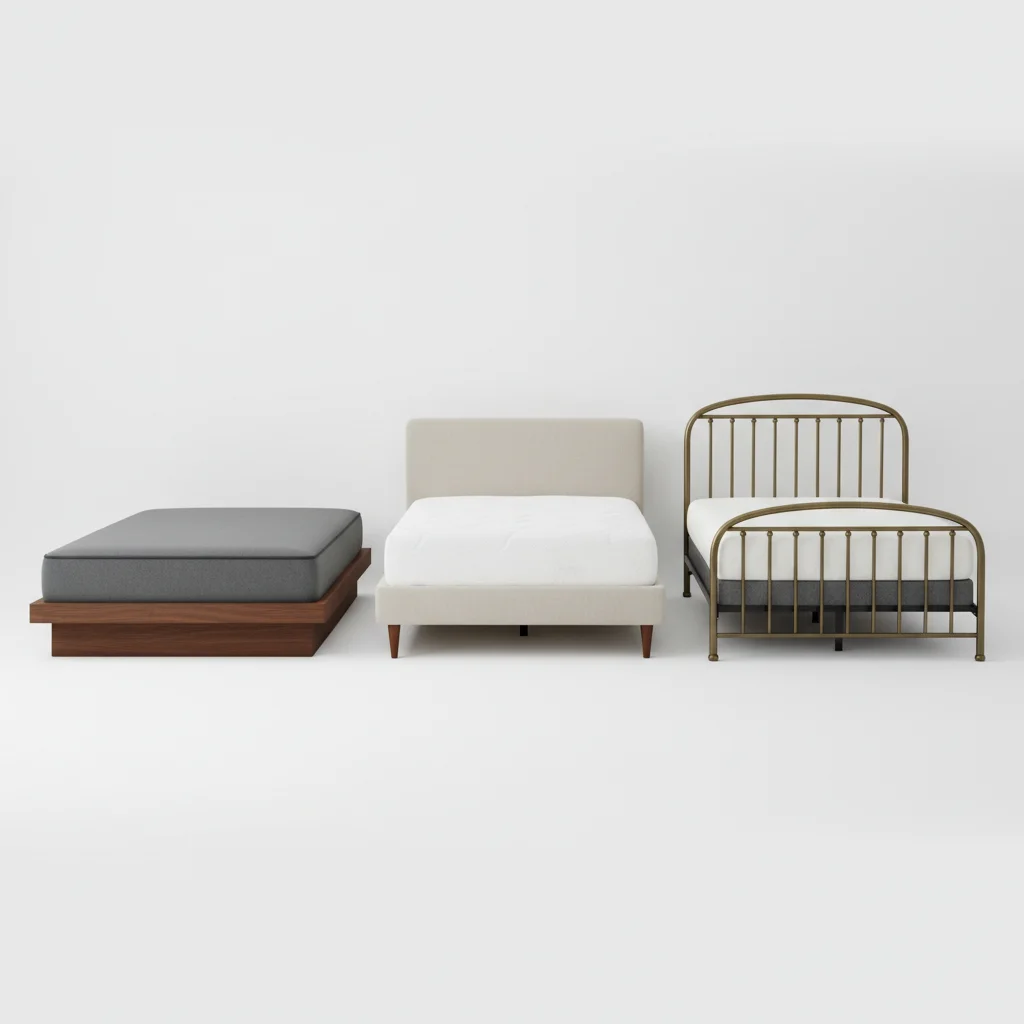
Choosing the right bed frame height is crucial for both aesthetics and functionality, and it largely depends on your mattress thickness and personal preferences. Generally, a bed frame that results in a total bed height (including mattress) of 22 to 28 inches from the floor is considered ideal for most adults, allowing for easy getting in and out of bed. This range provides a comfortable and ergonomic sleeping experience, preventing strain and enhancing the overall look of your bedroom.
Understanding Standard Bed Frame Heights
Standard bed frames typically come in a few common heights, each designed to accommodate different mattress types and user needs. Low-profile frames often sit around 5-8 inches off the ground, creating a modern, minimalist look. Standard height frames are usually 12-16 inches, offering a balanced appearance and often providing some under-bed storage. Taller frames, sometimes reaching 18 inches or more, can make a grand statement and offer significant storage space, though they might be less accessible for some individuals.
Factors Influencing Your Ideal Bed Height
Several factors should guide your decision on bed frame height. First, consider your mattress thickness; a thick pillow-top mattress on a tall frame might make your bed too high. Conversely, a thin memory foam mattress on a low-profile frame could feel too close to the floor. Your personal mobility is also key; individuals with joint issues or those who are shorter might prefer a lower bed, while taller individuals might find a higher bed more comfortable. Finally, the aesthetic of your room plays a role. A low bed can make a small room feel larger, while a tall bed can be a focal point in a spacious master bedroom.
Measuring for the Perfect Fit
|
Our Picks for the Best Bed Frame in 2026
As an Amazon Associate I earn from qualifying purchases.
|
||
| Num | Product | Action |
|---|---|---|
| 1 | Queen Bed Frame-Classic Metal Platform Bed Frame,Mattress Foundation with Steel Slat Support,Under Foundation Storage,No Box Spring Needed, Easy Assembly, Queen Size |

|
| 2 | Hafenpo 18 Inch Full Bed Frame - Sturdy Metal Platform Full Size, No Box Spring Needed, Heavy Duty, Easy Assembly, Strong Bearing Capacity, Under Bed Storage, Black |
|
| 3 | Zinus Rumi 14in Full Metal Bed Frame, Quick Assembly SmartBase® Mattress Foundation, Heavy Duty Sturdy Steel with No Box Spring Needed, Eco-Friendly Packaging, Black |
|
| 4 | Full Bed Frame with Classic Headboard,Strong Metal Slats Support,Under Bed Storage Space,No Box Spring Needed,Easy to Assemble,Black |
|
| 5 | Full Size Bed Frame with Modern Headboard, Metal Platform Bed Base with Strong Support, No Box Spring Needed, Easy Assembly, Noise Free,Black |
|
| 6 | Vengarus Metal Bed Frame,Full Size Bed Frame with Headboard,Structurally Stable, Heavy Duty Steel Slat Supported,Under Bed Storage,No Box Spring Needed,14 Inch,Black |
|
| 7 | Metal Bed Frame,Twin Size Bed Frame with Storage Space,Heavy Duty Sturdy Mattress Foundation,Easy Assembly,No Box Spring Needed, Black,14 Inch,Twin |
|
| 8 | Metal Platform Bed Frame 14 Inch Tall,No Box Spring Needed,Twin Size Bed with Heavy Duty Strong Support Slats,Easy to Assemble,Black |
|
| 9 | Zinus Rumi 14in Queen Metal Bed Frame, Quick Assembly SmartBase® Mattress Foundation, Heavy Duty Sturdy Steel with No Box Spring Needed, Eco-Friendly Packaging, Black |
|
| 10 | 12 inches Full Size Bed Frame with Minimalist headboard,Metal Platform Base with Strong Metal Slats,Mattress Foundation for Under Bed Storage,Easy Assembly,Black |
|
To determine your ideal bed frame height, start by measuring your mattress thickness. Then, sit on the edge of your current bed with your feet flat on the floor. Your knees should form a 90-degree angle. The distance from the floor to the top of your mattress at this comfortable sitting position is your target total bed height. Subtract your mattress thickness from this number to find the ideal height for your new bed frame. Don’t forget to account for any box spring or foundation you plan to use, as this will add to the overall height.
Benefits of the Right Bed Frame Height
- Improved ease of getting in and out of bed.
- Enhanced bedroom aesthetics and proportion.
- Optimized under-bed storage potential.
- Better air circulation around the mattress.
- Reduced strain on joints and back.
Adjustable Bed Frames and Risers
If you’re unsure about the perfect height or anticipate future needs, an adjustable bed frame can be an excellent solution. Many modern frames offer adjustable legs or can be paired with risers to customize the height. Bed risers are a simple and affordable way to add a few extra inches to an existing frame, providing more under-bed storage or making the bed more accessible. However, ensure any risers you use are sturdy and compatible with your frame to maintain stability and safety.Always prioritize stability when modifying bed height.
Considering Under-Bed Storage Needs
One of the most practical considerations for bed frame height is under-bed storage. A higher bed frame naturally allows for more space beneath, which can be invaluable in smaller living spaces. Many frames are designed with built-in drawers or ample clearance for storage bins. If storage is a priority, look for frames that offer at least 10-12 inches of clearance. This can significantly declutter your bedroom and provide a discreet place for extra linens, seasonal clothing, or other items.Always measure your storage containers before committing to a frame height.
