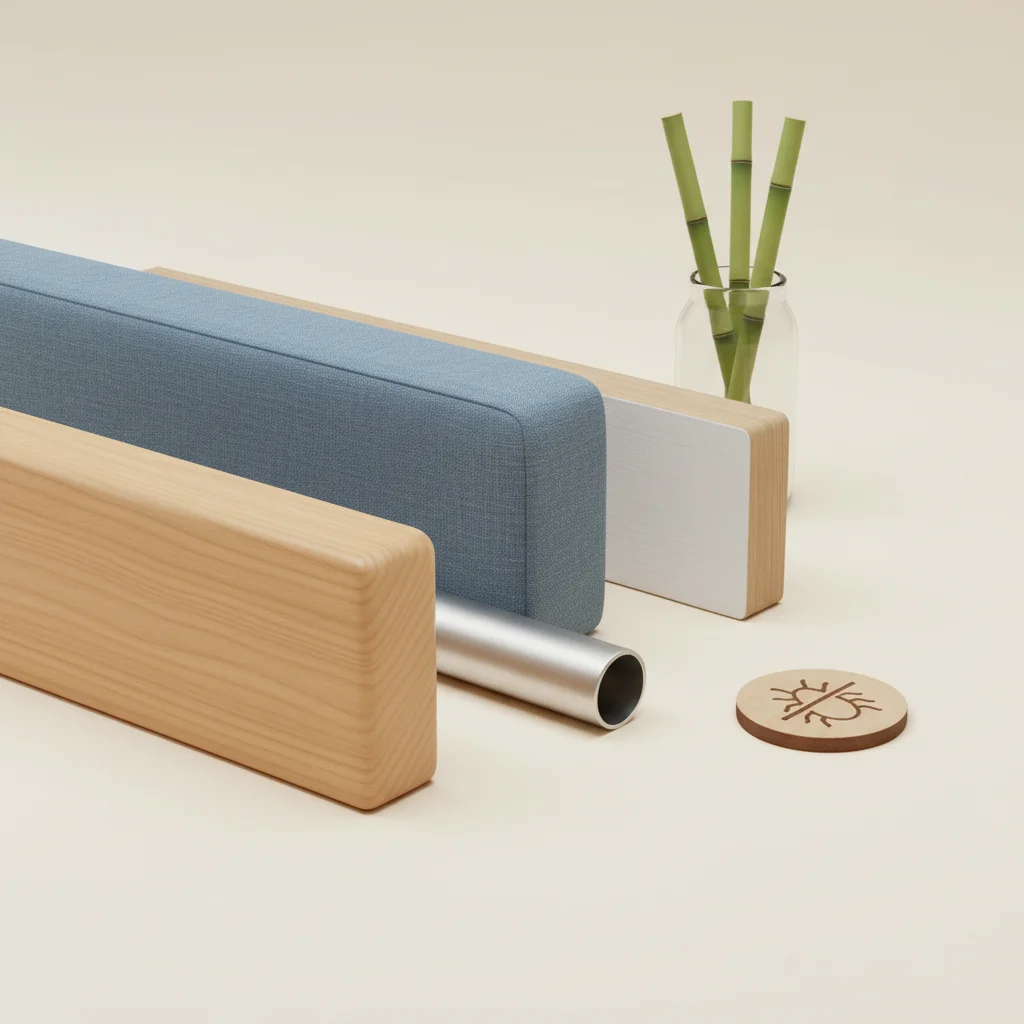
Choosing the right bed frame materials can significantly impact the sleep quality of allergy sufferers. The best bed frames for those with allergies are typically made from materials that resist dust mites, mold, and mildew, and are easy to clean. Generally, five types of bed frame materials stand out for their hypoallergenic properties and ease of maintenance, offering a healthier sleep environment.
Understanding Allergy Triggers in Bed Frames
Allergies can be exacerbated by various factors present in a bedroom, with the bed frame itself sometimes contributing to the problem. Dust mites thrive in warm, humid environments and can accumulate in porous materials. Mold and mildew can develop in areas with poor ventilation or high moisture. Certain finishes or glues used in furniture construction can also off-gas volatile organic compounds (VOCs), which can irritate sensitive individuals. Therefore, selecting materials that minimize these risks is crucial for creating an allergy-friendly bedroom. For complete bed frames library on this site.
Solid Wood Bed Frames: A Natural Choice
Solid wood bed frames, particularly those made from hardwoods like maple, oak, or cherry, are an excellent choice for allergy sufferers. Unlike upholstered frames, solid wood does not provide a hospitable environment for dust mites. When choosing a solid wood frame, opt for those with low-VOC finishes or unfinished wood that you can seal with a natural, non-toxic sealant. Regular dusting with a damp cloth is usually sufficient to keep them clean and free of allergens. Avoid particle board or MDF if possible, as these often contain formaldehyde-based glues that can off-gas.
Metal Bed Frames: Sleek and Allergen-Resistant
Metal bed frames, typically made from steel or wrought iron, are inherently hypoallergenic. Their non-porous surfaces do not harbor dust mites, mold, or mildew. They are also very easy to clean, requiring just a quick wipe-down to remove dust. Metal frames often feature open designs, which promote better air circulation around the mattress, further deterring mold growth. When selecting a metal frame, ensure any paint or powder coating is durable and free from chipping, as damaged finishes could potentially expose underlying materials or create rough surfaces that collect dust more easily.
Wrought Iron Bed Frames: Durable and Dust-Free
|
Our Picks for the Best Bed Frame in 2026
As an Amazon Associate I earn from qualifying purchases.
|
||
| Num | Product | Action |
|---|---|---|
| 1 | 12 inches Full Size Bed Frame with Minimalist headboard,Metal Platform Base with Strong Metal Slats,Mattress Foundation for Under Bed Storage,Easy Assembly,Black |

|
| 2 | Metal Platform Bed Frame 14 Inch Tall,No Box Spring Needed,Twin Size Bed with Heavy Duty Strong Support Slats,Easy to Assemble,Black |
|
| 3 | Full Size Bed Frame with Modern Headboard, Metal Platform Bed Base with Strong Support, No Box Spring Needed, Easy Assembly, Noise Free,Black |
|
| 4 | Zinus Rumi 14in Queen Metal Bed Frame, Quick Assembly SmartBase® Mattress Foundation, Heavy Duty Sturdy Steel with No Box Spring Needed, Eco-Friendly Packaging, Black |
|
| 5 | Queen Bed Frame-Classic Metal Platform Bed Frame,Mattress Foundation with Steel Slat Support,Under Foundation Storage,No Box Spring Needed, Easy Assembly, Queen Size |
|
| 6 | Full Bed Frame with Classic Headboard,Strong Metal Slats Support,Under Bed Storage Space,No Box Spring Needed,Easy to Assemble,Black |
|
| 7 | Metal Bed Frame,Twin Size Bed Frame with Storage Space,Heavy Duty Sturdy Mattress Foundation,Easy Assembly,No Box Spring Needed, Black,14 Inch,Twin |
|
| 8 | Vengarus Metal Bed Frame,Full Size Bed Frame with Headboard,Structurally Stable, Heavy Duty Steel Slat Supported,Under Bed Storage,No Box Spring Needed,14 Inch,Black |
|
| 9 | Hafenpo 18 Inch Full Bed Frame - Sturdy Metal Platform Full Size, No Box Spring Needed, Heavy Duty, Easy Assembly, Strong Bearing Capacity, Under Bed Storage, Black |
|
| 10 | Zinus Rumi 14in Full Metal Bed Frame, Quick Assembly SmartBase® Mattress Foundation, Heavy Duty Sturdy Steel with No Box Spring Needed, Eco-Friendly Packaging, Black |
|
Similar to other metal frames, wrought iron bed frames offer exceptional durability and are naturally resistant to allergens. The robust nature of wrought iron means it won’t warp or crack, maintaining its integrity over time and preventing crevices where dust mites could settle. Their often intricate, open designs also contribute to good air flow, which is beneficial for preventing moisture buildup. Wrought iron frames are easy to maintain with simple dusting and occasional cleaning, making them a long-lasting, allergy-friendly option.
Bamboo Bed Frames: Sustainable and Hypoallergenic
Bamboo is a rapidly renewable resource that offers several advantages for allergy sufferers. Bamboo bed frames are naturally resistant to dust mites and mold due to bamboo’s inherent antimicrobial properties. They are also typically finished with natural oils or low-VOC sealants, making them a healthier choice for indoor air quality. Bamboo’s smooth, non-porous surface is easy to clean, and its lightweight yet strong construction makes it a practical option. Look for solid bamboo construction rather than engineered bamboo products that might use adhesives.
Key Considerations for an Allergy-Friendly Bedroom
Beyond the bed frame material, several other factors contribute to an allergy-friendly bedroom. Consider these tips:
- Mattress and Pillow Covers: Use allergen-proof covers for your mattress and pillows to create a barrier against dust mites.
- Regular Cleaning: Vacuum carpets and dust surfaces frequently with a HEPA filter vacuum.
- Air Purifiers: Invest in an air purifier with a HEPA filter to remove airborne allergens.
- Humidity Control: Maintain indoor humidity levels between 30-50% to inhibit dust mite and mold growth.
- Wash Bedding Weekly: Wash sheets, pillowcases, and blankets in hot water (at least 130°F or 54°C) to kill dust mites.
By combining an allergy-friendly bed frame with these practices, you can significantly reduce allergen exposure and improve your sleep quality.
Conclusion
For allergy sufferers, selecting the right bed frame material is a critical step towards a healthier sleep environment. Solid wood, metal, wrought iron, and bamboo frames all offer excellent hypoallergenic properties, resisting dust mites, mold, and mildew. These materials are also easy to clean and maintain, ensuring that your bedroom remains a sanctuary free from common allergens. Prioritizing these materials, alongside other allergy-reducing strategies, will lead to more restful and symptom-free nights.
