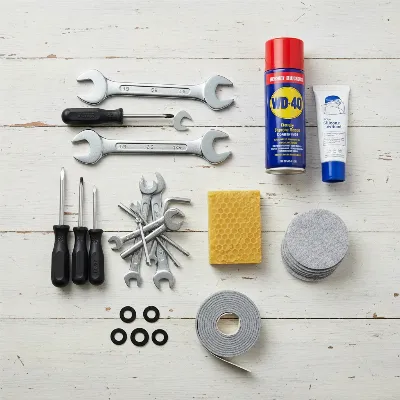
Your metal bed frame offers a sturdy foundation for restful sleep, but sometimes it lacks that personal touch, the design flair that truly makes a bedroom feel like yours. A custom headboard can completely transform the space, infusing character, comfort, and a polished aesthetic. However, the thought of attaching a unique headboard to a standard metal frame can seem daunting for many DIY enthusiasts. Fear not! This guide will walk you through the essential steps, tools, and techniques to securely attach almost any custom headboard to your metal bed frame, turning your vision into a stunning reality.
Attaching a Custom Headboard to Your Metal Bed Frame: An Overview
Adding a headboard to your metal bed frame is more than just a decorative upgrade; it brings significant practical benefits. Beyond elevating the visual appeal of your bedroom, a headboard provides comfortable back support for reading or relaxing, protects your wall from scuffs, and helps keep pillows from slipping behind the bed. The process of attaching one, while seemingly complex, can be broken down into manageable steps, making it an achievable weekend project for most homeowners. The key lies in understanding your specific bed frame and headboard, then selecting the most suitable attachment method.
Understanding Your Metal Bed Frame and Custom Headboard
|
Our Picks for the Best Bed Frame in 2026
As an Amazon Associate I earn from qualifying purchases.
|
||
| Num | Product | Action |
|---|---|---|
| 1 | Queen Bed Frame-Classic Metal Platform Bed Frame,Mattress Foundation with Steel Slat Support,Under Foundation Storage,No Box Spring Needed, Easy Assembly, Queen Size |

|
| 2 | Full Bed Frame with Classic Headboard,Strong Metal Slats Support,Under Bed Storage Space,No Box Spring Needed,Easy to Assemble,Black |
|
| 3 | Metal Bed Frame,Twin Size Bed Frame with Storage Space,Heavy Duty Sturdy Mattress Foundation,Easy Assembly,No Box Spring Needed, Black,14 Inch,Twin |
|
| 4 | Vengarus Metal Bed Frame,Full Size Bed Frame with Headboard,Structurally Stable, Heavy Duty Steel Slat Supported,Under Bed Storage,No Box Spring Needed,14 Inch,Black |
|
| 5 | Zinus Rumi 14in Queen Metal Bed Frame, Quick Assembly SmartBase® Mattress Foundation, Heavy Duty Sturdy Steel with No Box Spring Needed, Eco-Friendly Packaging, Black |
|
| 6 | Hafenpo 18 Inch Full Bed Frame - Sturdy Metal Platform Full Size, No Box Spring Needed, Heavy Duty, Easy Assembly, Strong Bearing Capacity, Under Bed Storage, Black |
|
| 7 | Metal Platform Bed Frame 14 Inch Tall,No Box Spring Needed,Twin Size Bed with Heavy Duty Strong Support Slats,Easy to Assemble,Black |
|
| 8 | Full Size Bed Frame with Modern Headboard, Metal Platform Bed Base with Strong Support, No Box Spring Needed, Easy Assembly, Noise Free,Black |
|
| 9 | Zinus Rumi 14in Full Metal Bed Frame, Quick Assembly SmartBase® Mattress Foundation, Heavy Duty Sturdy Steel with No Box Spring Needed, Eco-Friendly Packaging, Black |
|
| 10 | 12 inches Full Size Bed Frame with Minimalist headboard,Metal Platform Base with Strong Metal Slats,Mattress Foundation for Under Bed Storage,Easy Assembly,Black |
|
Before you begin, a quick assessment of your existing setup and custom headboard is crucial for a smooth installation. Most metal bed frames are designed with pre-drilled holes at the head of the bed, intended for headboard attachment. These holes are typically oblong or circular and located on the vertical posts or brackets near the corners. Checking for these existing holes will inform your approach.
Your custom headboard will also have its own unique characteristics. Consider its material (wood, upholstered, metal), weight, and existing mounting points, if any. A heavier headboard, for instance, might require more robust attachment methods or even wall-mounting for optimal stability. Ensure your headboard is compatible in size with your bed frame; while a slightly wider headboard (up to three inches) can sometimes work aesthetically, a significant mismatch will complicate attachment.
Essential Tools and Materials for a DIY Headboard Attachment
Having the right tools and hardware at hand makes all the difference in a DIY project, preventing frustration and ensuring a secure installation. Here’s what you’ll likely need:
- Wrench or Pliers: For tightening nuts and bolts.
- Drill: Necessary if your headboard or frame lacks pre-drilled holes, or if you’re wall-mounting. Ensure you have appropriate drill bits for wood and/or metal.
- Tape Measure: For accurate measurements and alignment.
- Level: To ensure your headboard is perfectly straight.
- Pencil or Marker: For marking drill points.
- Bolts, Washers, and Nuts: These are the primary fasteners for most frame-mounted headboards. Washers are crucial for distributing pressure and preventing hardware from loosening or damaging the material.
- Universal Headboard Brackets: A lifesaver if your headboard and frame holes don’t align, or if your frame lacks attachment points. These adjustable brackets bridge the gap.
- Wood Screws (if applicable): For attaching brackets to a wooden headboard or for wall-mounting into studs.
- Wall Anchors (if applicable): For wall-mounting when studs aren’t available at the desired location.
- French Cleat System (optional, for wall-mounting): Provides a robust, often invisible, way to hang heavier headboards directly on the wall.
- Felt Pads or Wall Bumpers: To prevent scuffing if the headboard will be against the wall.
Choosing Your Attachment Method
The best way to attach your custom headboard depends largely on your metal bed frame’s design and your headboard’s characteristics. There are several effective methods, each with its own benefits.
Direct Frame Attachment (Bolt-On)
This is the most common and often the most secure method if your metal bed frame comes with pre-drilled holes designed for a headboard.
- How it works: Bolts are passed through the headboard’s legs (or mounting plates) and then through the corresponding holes in the metal bed frame, secured with washers and nuts.
- Best for: Headboards and frames with matching pre-drilled holes. This offers a very stable, integrated connection.
Using Universal Headboard Brackets
When your headboard and metal frame don’t quite align, or if your frame lacks pre-drilled attachment points, universal headboard brackets are an excellent solution.
- How it works: These adjustable metal brackets attach to the side rails or vertical posts of your metal frame, providing new, compatible mounting points for your headboard. You attach the brackets to the frame, and then the headboard to the brackets.
- Best for: Addressing compatibility issues between different brands or styles, or adding a headboard to a frame without existing holes.
Wall-Mounted Headboards
For a cleaner look, enhanced stability, or when direct frame attachment isn’t feasible, mounting your headboard directly to the wall is a popular option.
- How it works: The headboard is secured to the wall, either using direct screws into wall studs, wall anchors, or a French cleat system. The bed frame then simply pushes up against it.
- Best for: Heavy or oversized headboards, creating a “floating” effect, or when you want the headboard to be completely independent of the bed frame. Wall-mounting can prevent wobbling issues often associated with lighter frame attachments.
> “A wall-mounted headboard can provide superior stability and a sleek, custom look, especially for larger designs. Just be sure to find your wall studs for the most secure installation.” – Sarah Chen, Interior Design Consultant
Freestanding Headboards
While not technically “attached” to the bed frame, some headboards are designed to be freestanding.
- How it works: These headboards have sturdy legs that rest on the floor behind the bed, held in place by the weight of the bed frame pushing against them and the wall.
- Best for: Lightweight headboards, renters who want to avoid drilling, or those who prefer a very simple, no-fuss setup. However, they may not offer the same stability as other methods.
Step-by-Step Guide: Attaching Your Custom Headboard
Once you’ve chosen your method, follow these steps for a successful installation.
1. Preparation and Positioning
First, move your bed frame a few feet away from the wall to give yourself ample working space. Remove your mattress and any bedding to fully expose the head of the metal frame. Position your custom headboard upright behind the frame where it will eventually sit. Use your tape measure and level to ensure it’s perfectly centered and straight. Mark any necessary drill points with your pencil.
2. Matching Holes or Installing Brackets
- If your headboard and frame have matching holes: Align the mounting points on the headboard legs with the pre-drilled holes on your metal bed frame.
- If using universal brackets: Attach the brackets to your metal bed frame first, following the manufacturer’s instructions. These usually clamp onto the frame or bolt into existing holes. Once secure, align your headboard with the new mounting points on the brackets.
- If wall-mounting: Mark the exact spots on the wall where your headboard will be attached. Use a stud finder to locate wall studs for the most secure attachment. If studs aren’t available, plan to use appropriate heavy-duty wall anchors. For a French cleat system, first attach the cleat to the wall studs, then the corresponding cleat to the back of your headboard.
3. Securing the Headboard
- For Direct Frame Attachment or Universal Brackets: Insert bolts through the aligned holes from the outside of the headboard legs/brackets. On the inside, add a washer, then thread on the nut. Hand-tighten all hardware initially to allow for minor adjustments. Once everything is aligned and level, use your wrench or pliers to fully tighten the bolts evenly. Avoid overtightening, which can strip threads or warp components.
- For Wall-Mounting: If drilling directly into studs, use wood screws to secure the headboard’s mounting hardware or the cleat system to the wall. If using wall anchors, pre-drill pilot holes as instructed by the anchor manufacturer, insert the anchors, then secure the headboard. Ensure all connections are firm and stable.
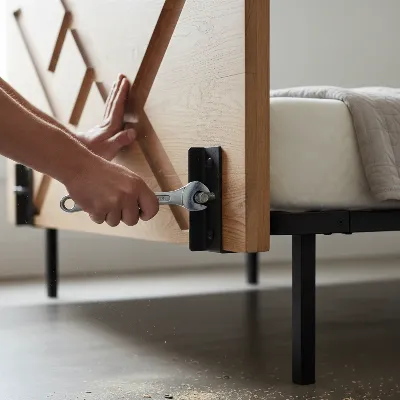 DIY attachment of a custom wooden headboard to a metal bed frame using bolts and brackets.
4. Final Checks and Stabilization
After securing the headboard, gently push and pull it to test for any wobbling or instability. If you notice movement, check all connections and tighten bolts further, ensuring they are evenly snug. Use your level one last time to confirm the headboard is perfectly straight. If the headboard touches the wall, consider adding felt pads or small rubber bumpers to the back to prevent scuff marks and reduce noise.
Troubleshooting Common Issues and Expert Tips
Even with careful planning, DIY projects can present unexpected challenges. Here are solutions to common headboard attachment issues:
- Wobbling Headboard: The most frequent complaint. Ensure all bolts are tightened evenly. If the wobbling persists, consider adding additional bracing, using thicker washers, or exploring wall-mounting for added stability. Wall bumpers can also help dampen movement.
- Misaligned Holes: Universal headboard brackets are your best friend here. They are specifically designed to adapt to different hole patterns.
- Incompatible Hardware: Always measure your existing holes and headboard mounting points before purchasing hardware. Adapter kits are available for situations where standard bolts don’t fit.
- Damage to Bed Frame/Headboard: Avoid overtightening bolts. For wooden headboards, drill pilot holes slightly smaller than your screws to prevent splitting. Use washers to distribute pressure and protect surfaces.
- Heavy Headboards: If your custom headboard is particularly heavy, prioritize wall-mounting. This removes stress from the bed frame and provides the most secure attachment. If frame-mounting, ensure you use robust hardware and consider reinforcing points if necessary.
Cost Considerations for DIY Headboard Attachment
Attaching a custom headboard yourself is often more cost-effective than buying a new bed set. Your primary costs will be the custom headboard itself and the necessary hardware. Universal headboard brackets are relatively inexpensive, typically ranging from $20 to $50. Bolts, washers, and nuts are usually a few dollars. If you opt for wall-mounting, French cleat systems or heavy-duty anchors might add $15 to $40. Overall, the DIY approach allows you to achieve a high-end look without the premium price tag.
Valuing Quality in Your Custom Headboard Project
When embarking on a custom headboard project, the quality of both your headboard materials and your attachment hardware will dictate its longevity and stability. For the headboard itself, consider durable materials like solid wood, high-density foam for upholstered designs, and strong, well-constructed joints. The “custom” aspect allows for personal choice in fabrics, finishes, or unique designs that reflect your individual style.
For attachment, prioritize high-grade steel bolts, washers, and nuts that resist corrosion and provide a strong, lasting connection. If purchasing universal brackets, opt for reputable brands known for sturdy construction. Investing a little extra in quality hardware ensures your beautiful custom headboard remains securely in place for years to come, offering both aesthetic appeal and practical benefits.
 Elegant upholstered headboard in a modern bedroom with a metal bed frame.
Conclusion
Attaching a custom headboard to your metal bed frame is a rewarding DIY project that significantly enhances your bedroom’s aesthetic and comfort. By carefully assessing your frame and headboard, gathering the right tools, and choosing an appropriate attachment method—whether direct bolt-on, universal brackets, or wall-mounting—you can achieve a secure and stylish result. Remember to take your time with alignment, tighten all hardware evenly, and perform a final stability check to ensure your new focal point is both beautiful and safe. Ready to give your bed the upgrade it deserves? What unique design elements are you excited to incorporate into your custom headboard?
Frequently Asked Questions
Can I attach a wooden headboard to any metal bed frame?
Most metal bed frames have pre-drilled holes for headboards. If your wooden headboard’s mounting points align, direct attachment is straightforward. If not, universal headboard brackets or wall-mounting offer excellent solutions to bridge compatibility gaps.
What tools are essential for attaching a headboard to a metal frame?
You’ll typically need a wrench or pliers, a drill (with appropriate bits), a tape measure, a level, and a pencil. You’ll also need hardware like bolts, washers, and nuts, or universal headboard brackets, depending on your chosen method.
How can I prevent my attached headboard from wobbling?
Ensure all bolts are tightened securely and evenly. Using washers helps distribute pressure and prevents loosening. If wobbling persists, consider adding felt pads or wall bumpers where the headboard meets the wall, or reinforce the attachment points with additional bracing or by wall-mounting.
Is it better to wall-mount a headboard or attach it to the bed frame?
Wall-mounting often provides superior stability and a cleaner look, especially for heavy or oversized headboards, as it removes stress from the Bed Frame. Attaching to the frame is simpler if holes align, but might offer less stability for very large designs.
Can I attach a headboard without drilling into my metal bed frame?
Yes, if your metal frame has existing pre-drilled holes or a hook-on system, drilling may not be required for the frame itself. You can also use universal headboard brackets that clamp onto the frame, or opt for a wall-mounted or freestanding headboard.